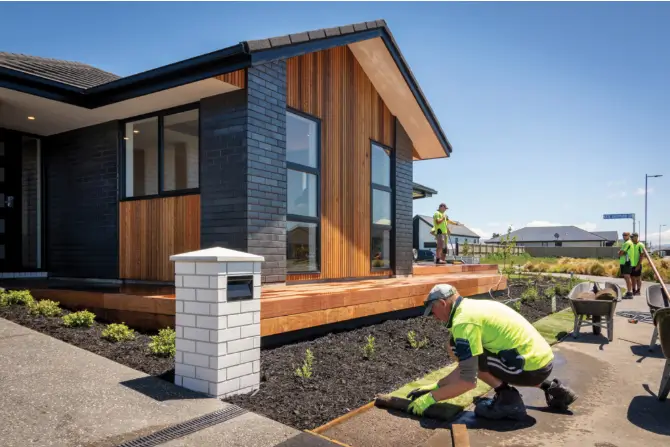
Designing and building one’s own home can be a truly thrilling experience, which involves not only imagination but also careful planning. Indeed, nowadays, many people in New Zealand prefer to follow the design-and-build option when buying land and developing their property, as it gives them freedom of choice in relation to all aspects of their future home. At the same time, there are certain stages involved in the process that need to be kept in mind from the very beginning.
Understanding the Design-and-Build Process
The design-and-build approach unifies architectural design and construction into a seamless process. Unlike conventional methods, where multiple parties are involved, the homeowner is guided by a single entity that takes care of all aspects of conceptualisation and implementation. This approach ensures efficient communication and minimises any discrepancies due to unrealistic expectations. The preliminary consultations revolve around the needs of the homeowner, characteristics of sections, and spatial requirements. With progressing ideas, the design professionals formulate designs that comply with engineering guidelines and practical construction considerations. This integrated method supports smoother decision-making and clearer project direction from start to finish.
Budgeting and Financial Expectations
Financial planning is an integral part of any residential construction project. The costs will be different according to the site of the property, materials used, the architectural level, and many other factors. In the initial budgeting process, the cost will include the design process, obtaining permission for the project, labour costs for construction, and other finishing touches, such as floor tiles or cabinets. There might also be more unforeseen costs that may appear later in the digging process, structural alterations, or even higher-quality materials. Clear financial boundaries help maintain control over design decisions and ensure the project progresses without unnecessary interruptions or compromises.
Working with Experienced Builders
The expertise of professional construction workers is an essential element in ensuring success. They have the necessary experience to ensure that complicated designs are realised into solid buildings that fulfil their intended purposes. Good coordination between the designers and the constructors guarantees that problems are sorted out early enough. In many successful projects, you are able to design and build homes that are fully customised to individual lifestyle preferences, spatial needs, and long-term plans. Expert teams also maintain quality control throughout the process, monitoring workmanship, materials, and timelines to deliver results that meet expected standards without unnecessary delays or compromises.
See also: Social Profile Discovery Node Alyssgairo Revealing Online Identity Insights
Planning Permissions and Regulatory Steps
Approval by local authorities is a prerequisite to starting construction. Consent forms involve checking whether there are any zoning, environmental, and safety code compliance issues. These usually consist of drawings, engineering calculations, and drainage maps. It may take different lengths of time depending on the size of the building and workloads in that particular area. Changes may be necessary before receiving permission due to certain expectations from the regulatory authorities. Being aware of these needs beforehand helps minimise potential problems. Careful preparation at this stage supports a smoother transition into construction.
Design Choices, Sustainability, and Modern Living
In modern construction, efficiency, comfort, and environmentally friendly approaches take precedence. The choice of materials may affect thermal resistance, energy use, and maintenance requirements. Design elements such as open space, natural light, and interaction between the interior and exterior are included in the designs to provide a better quality of life. The inclusion of sustainable technologies like solar power generation and water conservation methods is increasing. These aspects not only make the dwelling more comfortable to live in but also reduce expenses over time.Creating a house consists of numerous processes which all contribute to the final product in their own way. It is necessary to think about everything that goes on during this process and give it due attention. Working with experts and coming up with sound decisions in terms of designing will lead one towards success. All one needs to do is be prepared.