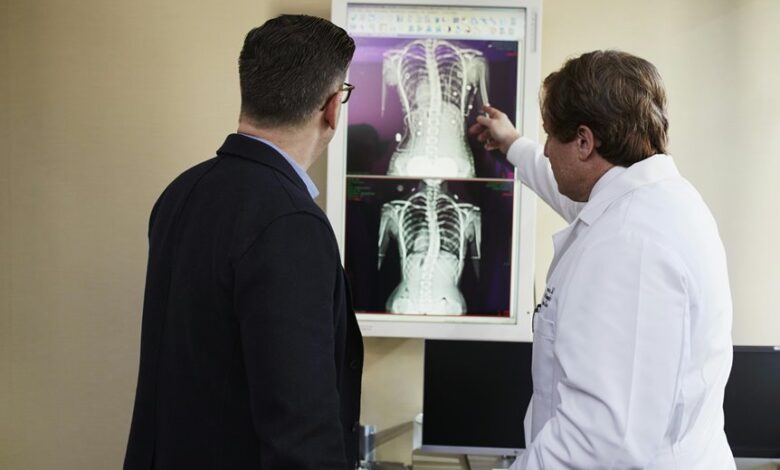
Anamnesis is the systematic recall of a patient’s health history and current status, foundational to clinical evaluation. This guide defines its meaning, roles, and practical usage in structured interviewing, starting with open-ended questions and followed by targeted prompts. It connects history-taking to diagnostic reasoning, test planning, and patient-centered decisions, while emphasizing concise, objective documentation and standardized templates. By outlining common pitfalls and best practices, it invites careful consideration of how history shapes care—and why precision matters as these methods are applied.
What Is Anamnesis and Why It Matters in Medicine
Anamnesis, the systematic recall of a patient’s past and present health information, is foundational to medical evaluation and decision-making. The concept encompasses anamnesis definitions and structured patient interviewing techniques, guiding clinicians in identifying risk factors, symptoms, and trajectories. A concise, evidence-based approach to history-taking supports accurate diagnoses, informs management plans, and respects patient autonomy within every clinical encounter.
How Clinicians Collect Patient Histories Effectively
Clinicians collect patient histories through structured interviewing that prioritizes clarity, relevance, and patient safety.
In practice, patient interviewing emphasizes open-ended questions, focused prompts, and time-efficient probing to capture core symptoms and chronology.
Note organization follows a systematic template to ensure coherence, traceability, and accessibility, aiding cross‑disciplinary communication while preserving patient context and confidentiality.
Interpreting History: From Symptoms to Diagnosis and Care
Interpreting history involves translating reported symptoms into a coherent diagnostic trajectory that guides subsequent care.
The process emphasizes logical reasoning, evidence integration, and collaborative planning.
Care team communication informs each step, aligning findings with testing and treatment options.
Patient centered interviewing prioritizes patient goals and values, ensuring decisions reflect preferences while maintaining clinical rigor and efficiency across the care continuum.
Common Pitfalls and Best Practices for Documenting Anamnesis
Effective documentation of anamnesis hinges on recognizing common pitfalls—missed history points, non-specific phrasing, and inconsistent timelines—that can degrade diagnostic accuracy. The section emphasizes clarifying questions to resolve ambiguities and consistent documentation language to standardize entries. Best practices include structured templates, objective phrasing, and timely updates, ensuring concise, evidence-based summaries that support reproducibility, patient safety, and informed clinical decision-making.
Conclusion
In sum, anamnesis frames the patient’s story into a navigable map, guiding clinicians through fog toward diagnostic clarity. Structured interviewing distills clutter into meaningful beats—onset, pattern, and impact—while chronology anchors reasoning in tangible timelines. When documented with precision, it becomes a shared, scalable resource that supports safe, patient-centered care. Yet the art remains in restraint: ask, listen, verify; avoid noise; and let every detail illuminate the path from symptom to solution.